Shed-Shelf Audit: What to Do With Leftover Slug Pellets in Wet November Weather
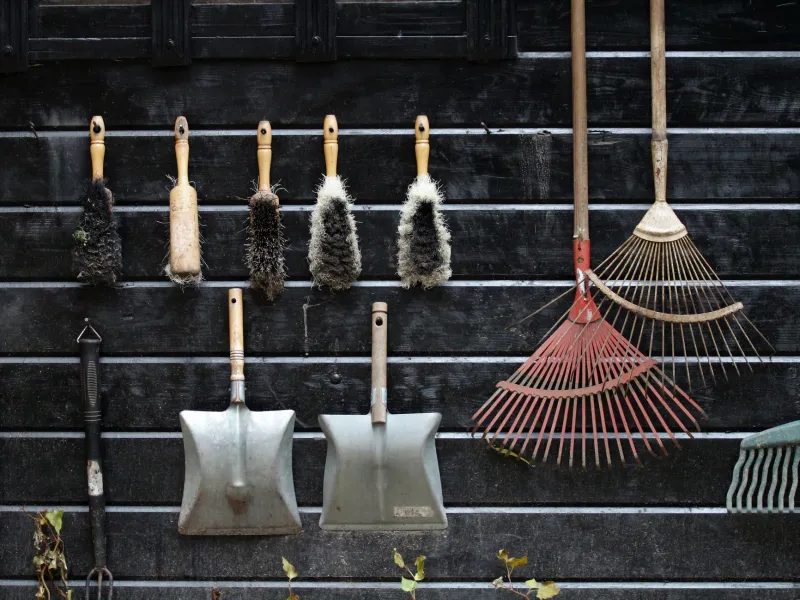
November has a way of turning the shed into a museum of half-finished jobs. The lawn feed is stacked behind the spare canes, the twine has gone brittle, and somewhere on the middle shelf sits a tub of slug pellets that is neither full nor empty. It is just there. The instinct is to push it to the back and deal with it in spring. A calmer approach is to give it twenty minutes now, while the borders are quiet and the wet weather is doing most of the slug work for you.
This is not a lecture about past purchases. Plenty of UK gardeners bought pellets in good faith, followed the label and used them when conditions made sense. The useful question in November 2026 is simpler: what is actually in the tub, is it still fit for purpose, and what is the least wasteful way to handle it before spring?
Start with the label, not the tub
Before you decide whether to keep, use or dispose of anything, read the label properly. You are looking for the active ingredient, the product name, the authorisation details and any expiry or batch information. If the label has faded, peeled off or the pellets have been decanted into an unmarked ice-cream tub, treat the contents as unknown. Unknown garden chemicals are not a bargain; they are a storage problem.
In the UK, metaldehyde products have not been approved for outdoor use since 2022, so any old tub containing metaldehyde should not go on the border. Ferric phosphate is the familiar alternative in many current products, but the label still matters. Check whether the product is approved for the plants and setting you have in mind, and check the date. Pellets do not last forever. Damp gets in, the bait can soften or mould, and an out-of-date product may simply not do the job you are asking of it.
If the label is readable and the product is still in date, you have options. If it is unreadable, out of date or clearly a banned outdoor product, move to the disposal section below. No judgement needed — just a clear decision.
Why wet weather changes the calculation
Slug pellets are bait. They work best when slugs are active and the ground is not being washed clean every few hours. Persistent November rain is not kind to bait. Pellets can swell, break down or go mouldy, and the lure may stop doing its job. In a wet spell, you can end up putting product out that neither controls slugs nor stays where you intended.
There is also the wider garden picture. Wet nights bring pets, hedgehogs and birds into the same borders, and bait on open ground is harder to manage responsibly. If you would not scatter it in a dry spell without thinking about where it lands, the same caution applies in the rain — perhaps more so. This is why many gardeners now treat late autumn as a barriers-and-habitat season rather than a bait season. The point is not that every pellet is reckless; it is that timing and conditions matter.
If you do keep a product for spring, store it properly and plan to use it in a settled dry spell, following the label. Do not leave it out in a saucer or sprinkle it before a forecast of heavy rain.
A sensible storage routine for the tub you keep
If the product is in date, approved and you genuinely expect to use it, give it a proper home. Keep it in the original container with the lid firmly on, in a dry, frost-free place away from children, pets and foodstuffs. A locked cupboard or a high shelf in the shed is better than a damp floor corner. Do not decant pellets into drinks bottles or unlabelled jars, and do not store them next to bird seed or compost you handle regularly.
A small plastic box with a lid is useful for keeping the tub, gloves and label together. Add a pencil note with the date you opened it, so future-you knows how old it is. If you have several part-used tubs, consolidate the information rather than the product: write down what each one is and when it expires, then decide which one to use first. Mixing old and new pellets in one tub is a good way to lose track of what you have.
Disposal without drama
For products you will not use, the responsible route is your local council household waste recycling centre, which should accept garden chemicals for safe disposal. Check the council website before you go, as arrangements vary. Do not put pellets down the drain, into the compost bin, or into the general rubbish if your council advises otherwise. Do not tip them onto a spare patch of ground to "get rid of them" — that is still using them, just without a plan.
If the tub is metaldehyde-based, do not pass it on to another gardener or leave it out for someone to help themselves. The outdoor ban is there for a reason, and a free tub is not a favour. The same applies to any product with an unreadable label. Treat it as unknown and let the professionals handle it.
Reset for spring without stockpiling
Before you put the tub back, take a moment to record what you actually used this year. Did bait earn its place, or did the wet weather make it a poor fit? Were the plants you were protecting worth the effort, or would a barrier, a tidier pot rim or a little more tolerance have done the job?
When spring comes, buy only what you need for the season ahead. A small pack that gets used is better than a large tub that sits on the shelf for three years. If you choose bait, look for a current approved product with a clear label and use it in conditions where it can work. If you are moving away from pellets altogether, that is a perfectly good result too — the aim is to use less, not simply to switch brands and carry on exactly as before.
A short November checklist
- Read the label and identify the active ingredient.
- Check the date, batch and whether the product is still approved for outdoor use.
- If the label is unreadable or the product is banned or out of date, set it aside for council disposal.
- Store the tub you keep in its original container, dry and locked away.
- Do not bait in persistent rain or just before a wet spell.
- Note what you used this year, and plan a smaller purchase for spring 2027 if you need one at all.
The half-used tub is not a moral failing. It is just a small piece of garden admin that is easier to sort out on a damp November afternoon than on a bright April morning when you would rather be planting. Twenty minutes now, and the shed shelf becomes a little more honest — which is a decent way to head into winter.