Warm Soil, Realistic Expectations: A UK Gardener's Nematode Checklist
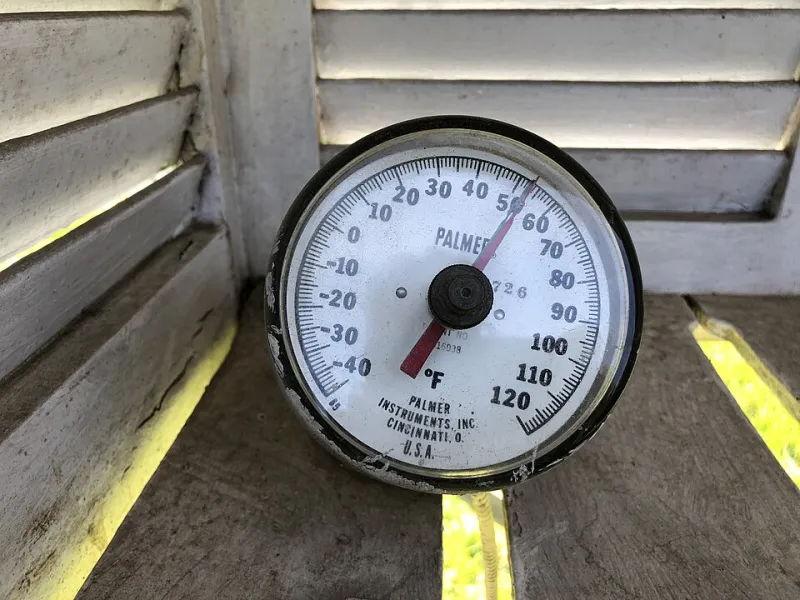
Photo: Famartin, CC BY-SA 4.0, via Wikimedia Commons
Nematodes are often sold as the thoughtful gardener's answer to slugs: a biological control, a living product, a break from pellets. All of that can be true. But nematodes are not a magic bullet, and they are not cheap enough to waste on a cold, dry border in the wrong week. If you are thinking about them for spring 2027, or wondering whether there is any point applying them now in November 2026, the soil thermometer should be your first purchase — or at least your first question.
What the nematodes actually do
The product you buy for slug control usually contains tiny parasitic nematodes, commonly Phasmarhabditis hermaphrodita. They are applied as a drench and need a living slug host, moisture and a suitable soil temperature to work. They are not a surface spray for snails on leaves, and they will not wipe out every slug in the neighbourhood. They are a soil-dwelling tool for reducing slug pressure in beds where conditions suit them.
That is the honest version. The label will tell you they work above a minimum temperature; the garden will tell you whether the soil is actually warm and moist enough for long enough. Those are different things.
The ten-degree rule, and why five is not enough
Many products state a minimum soil temperature of around 5°C. In practice, a UK gardener is better off waiting until the soil is closer to 8–10°C and rising. A thermometer pushed 5–10cm into the soil, read in the morning, is more useful than a sunny air temperature on the packet. Cold soil slows the whole process, and a nematode drench applied into a chilly border is money dribbling away.
Spring is the main window: usually March to May, depending on where you garden. Early autumn can also work if the soil is still warm and moist, but late autumn is rarely the moment. By November 2026, many UK soils are cooling quickly. If you have missed the window, barriers and garden hygiene are the better spend until spring.
Moisture, timing and the evening watering can
Nematodes need moisture to move through the soil. Apply them to soil that is already damp, ideally in the evening, and water them in according to the instructions. Keep the bed moist for the following week or two — not swampy, just reliably damp. Bright sunshine, dry beds and a long spell of drought will all reduce performance.
Do not apply just before torrential rain, either. You want the nematodes to move into the soil, not wash down the drain. Store the pack as directed, use it before the expiry date, and mix only what you can apply. This is a live product, not a cupboard staple.
Cost and effort versus physical barriers
Nematodes make most sense in a border with real slug pressure, reliable moisture and a decent area to treat. They are less compelling for a few pots on a patio or a tiny dry bed where a copper band and a gravel strip will do the job for years. Compare the cost per square metre with the cost of a barrier, then compare the effort: nematodes need storage, mixing, watering and repeat applications in a heavy season. Barriers need placing and occasional cleaning.
That does not make nematodes wasteful. It makes them a targeted product. They can earn their keep around a hosta bed, a propagation area or a raised veg bed where seedlings are being mown down. They are a poor fit for a whole garden treated as a ritual.
A seasonal checklist for 2026 and 2027
Now, November 2026: check soil temperature before buying. In most UK gardens, the outdoor window has closed. Clear wet leaves, tidy damp corners and rely on barriers where needed.
February to March 2027: order early if you plan to use nematodes. Buy a soil thermometer. Identify the beds with the worst slug pressure rather than treating everything.
April to May 2027: apply when soil is around 8–10°C and moist. Water in, keep the bed damp, and record the date. Do not expect an instant clear-out; the aim is reduced pressure over time.
Early September 2027: a second window may open if soil is still warm. Apply only if conditions suit and slug pressure justifies it.
After six weeks: assess. If pressure remains high, a repeat may be needed, but do not keep dosing blindly.
When not to buy
Skip nematodes if the soil is dry and sandy, if the bed is tiny, if slug pressure is low, or if you want an instant result before a weekend party. Skip them if the pack has been sitting in a warm shed. Skip them if you are not prepared to water. They are a biological control, not a guarantee.
The sensible rule is simple: use nematodes where the soil, the timing and the slug pressure all line up. Elsewhere, design and barriers will usually earn their keep first.