Sealed Bags, Uninvited Guests: The Slug-Egg Truth About Garden Centre Compost
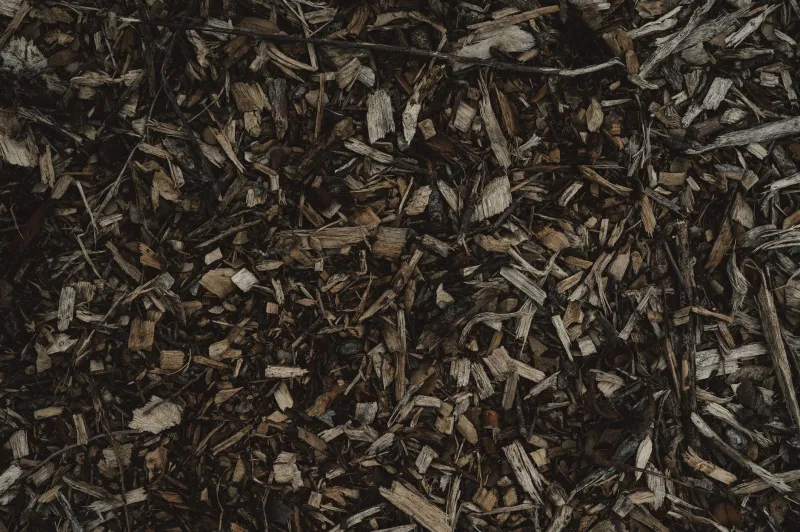
There is a particular November moment when a stack of bagged compost looks less like a bargain and more like a question. You have cleared the summer pots, topped up the beds, and now the leftover bags are sitting by the shed in the drizzle. Are they harmless? Or have you just carried a season's worth of slug eggs home in the boot of the car?
At No Slug, we are not in the business of scaring you away from the garden centre. Bagged compost and mulch are useful, ordinary products. But the question deserves a proper answer rather than a shrug or a horror story.
The short answer, minus the drama
Yes, it is possible for bagged growing media to contain slug eggs. No, it is not likely to be the main reason slugs turn up in your borders. And the risk is not fixed at the moment you buy the bag — it changes with how the product was made, how it has been stored, and what you do with it when you get home.
That is the honest version. Anyone who tells you every sealed bag is sterile and safe is overselling. Anyone who says every bag is a slug hotel is overselling the other way.
What slug eggs actually need
Slug eggs are small, translucent and easy to overlook. They need moisture and a reasonably mild, sheltered place to develop. A damp bag of organic matter sitting in a warm shed or against a sunny wall is not a terrible approximation of that. A dry bag on a pallet under cover is much less inviting.
This is why the storage question matters as much as the source. Compost that was moist when bagged, then kept damp and mild, gives any viable eggs a better chance than a bag that has stayed cool and relatively dry. The bag itself is not the problem. The conditions around it can be.
Not all bags are the same product
It helps to separate the shelf into rough groups. Certified composted materials — look for PAS 100 on the bag — have been through a controlled composting process that includes a sanitisation stage. That process is designed to reduce pathogens and weed seeds, and it is not friendly to slug eggs either. It is not a personal guarantee, but it is a meaningful standard.
Bagged bark mulch, soil conditioners, manure blends and some general-purpose mixes are a different story. They may contain composted material, but they may also contain fresh or less-processed ingredients. A bag of chunky bark mulch is not the same risk profile as a bag of certified green-waste compost. Neither is automatically a problem, but they should not be treated as identical.
The folklore worth retiring
Two garden-centre phrases cause most of the confusion. The first is 'sterile'. Very few bags on a general retail shelf are sterile in any meaningful sense, and the word is often used loosely to mean 'processed' or 'clean-looking'. The second is 'sealed, so nothing can get in'. A sealed bag can still contain viable material that was there before sealing. The seal stops new arrivals; it does not guarantee an empty guest list.
None of this is a reason to leave the compost on the shelf. It is a reason to stop treating the bag as proof of anything.
Where the real risk hides at home
In practice, the highest-risk bag is usually the one that has been opened, left partly used, and stored badly. A split bag in a wet corner of the garden, a sack slumped in a puddle behind the bin, or an open bag in a warm shed is far more inviting than a fresh, dry bag on a pallet.
So the practical routine starts at the till and ends at the border.
A simple winter bag routine
Buy for the job, not the bargain. If you only need a small top-up, buy a smaller bag. Oversized bags encourage long storage, and long storage in damp conditions is where the question gets murky.
Store off the ground. A pallet, a couple of bricks, or a dry shelf keeps bags out of standing water. Damp wicks upward; a bag sitting in a wet puddle is not staying dry inside for long.
Keep them covered and cool. A dry shed or garage is fine, but avoid warm corners next to a boiler or a sunny south-facing wall. Cool and dry is the aim.
Reseal opened bags properly. Roll the top down, clip it, or decant into a lidded tub. An open bag is an invitation to moisture, mice and general mess.
Use opened bags first. This is the simplest rule of all. The bag you opened in October should not still be half-full in March. Work through it before starting a new one.
Open away from the border. Empty bags onto a tarpaulin or a hard surface, break up clumps, and have a look. You are not hunting for something invisible; you are simply noticing whether the product is wet, sour-smelling or full of clumps. If it is, use it somewhere less precious or let it dry out before use.
Keep the border in perspective
A bag of compost is a minor pathway compared with the slugs already living in your soil, under your pots and along the damp edge of the lawn. The goal is not a sterile garden. It is a garden where the welcome mat is not rolled out quite so enthusiastically.
So buy the bag, store it sensibly, use it before it becomes a science experiment, and do not lose sleep over what might be inside. In a wet UK winter, the slug story is mostly about shelter, moisture and habit — not a single sack from the garden centre.