When Good Soil Goes Quiet: A Late-Autumn Slug Check for No-Dig Borders
No-dig gardening has a reputation for being the soft option—and in many ways it is. You leave the soil alone, keep it covered, and let worms and fungi do the heavy lifting. That should be good news for slugs' natural enemies too. But there's a quiet paradox in an undisturbed border: the same mulch, leaf litter and loose compost that shelter beetles and centipedes can also give molluscs a damp, dark place to wait out the winter. The trick is working out which one your bed is doing more of.
The no-dig paradox, without the jargon
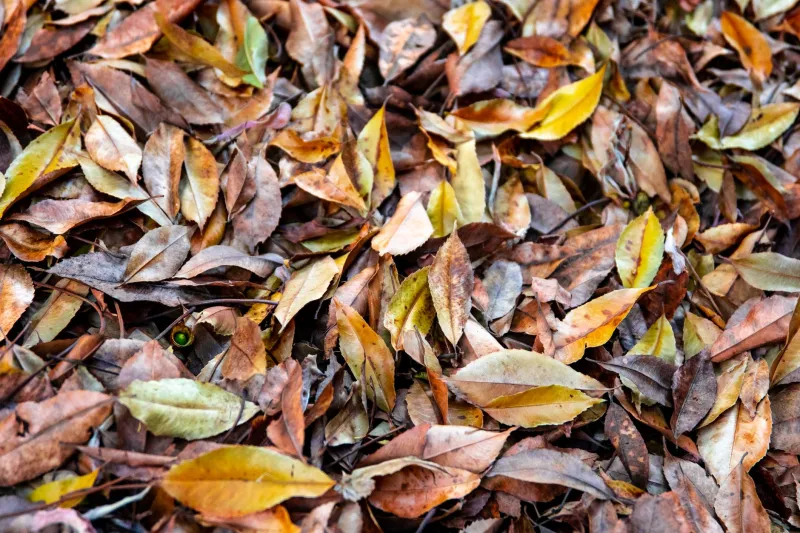
No-dig doesn't create slugs out of thin air. What it does is change the surface of your soil. A thick compost mulch, fallen leaves and undisturbed plant debris create a layer that stays cooler and wetter than bare earth. Slugs like that. So do ground beetles, centipedes, frogs and the odd slow worm. The question isn't whether your bed has shelter—it's whether that shelter is balanced.
In late autumn 2026, after the sort of drizzly November that leaves paths greasy and borders soggy, this is worth a proper look. Not a purge. Just a walk round with a torch or a mug of tea and a curious eye.
What a healthy no-dig surface should look like
A good no-dig bed isn't a neat blanket of compost. It has texture: crumbly mulch, some exposed soil, low-growing plants, maybe a few fallen leaves. That unevenness matters. Predators need places to hide and hunt, but they also need to be able to move. Slugs are less fussy. A smooth, permanently wet layer of fresh mulch pressed against plant stems is closer to a hotel than a habitat.
After rain, look at how water sits. If puddles linger on the surface for hours, the bed is probably too compacted or the mulch is too fine and slimy. If the surface is damp but drains, that's a better sign. You're not aiming for dry dust in November—just a bed that isn't waterlogged.
The after-rain audit
Go out the morning after steady rain, before the sun has dried anything. You're not counting every slug. You're reading the bed.
Check the mulch right up against stems and crowns. If it's a thick, wet collar around the base of plants, that's a slug corridor. Pull it back a little with your hands—no need for a spade—and see what's underneath. A few slugs is normal. A cluster of them, plus slime trails leading in and out, tells you the surface is too welcoming.
Look under pots, planks, the rims of raised beds and any stray saucers. These are classic slug shelters, and in a no-dig garden they often sit right on top of the mulch. Lift them gently, look, and put them back. You're gathering information, not declaring war.
Then look for the other side of the ledger. Ground beetles are fast, dark and usually gone before you've focused. Centipedes are orange-brown and speedy. Frogs may be tucked into damp corners. If you're finding predators as well as slugs, your bed is probably functioning as a habitat rather than a hideout. If you're finding only slugs, the balance has tipped.
Where no-dig is clearly helping
A no-dig bed with established plants, a varied surface and a bit of age is usually a good place. The soil is structured, drainage is better, and there's a wider range of things living in it. Mulch applied in autumn—rather than a thick fresh layer slapped on in spring—also gives wildlife time to move in before the growing season.
Leaving seed heads and some fallen leaves is part of the ethos, and it should stay that way. The aim isn't a sterile border. It's a border where the shelter is distributed, not piled into a few slug-friendly corners.
Where no-dig can hide a problem
Trouble tends to gather in the same few places in UK gardens: thick mulch pushed right up to soft stems, pots standing directly on wet soil, beds edged by long grass, and leaf drifts trapped against a wall or cold frame. These are not reasons to dig everything over. They're places to adjust.
Late autumn is also when slugs are still active and laying eggs in damp surface layers. You don't need to hunt every egg. But if a border is consistently wet, sheltered and close to tender plants, it's worth interrupting the routine.
Three gentle adjustments
First, pull mulch back from the stems of vulnerable plants by a hand's width. You're not stripping the bed—just breaking the direct bridge between damp compost and soft growth.
Second, rough up any slimy, flattened surface with a hand fork. No-dig purists needn't panic: you're tickling the top inch, not turning the soil. The aim is to let air in and stop the surface sitting like a wet blanket.
Third, lift pots onto feet or stones so they're not sitting in a puddle of mulch. If you have a cold frame or a raised bed with a persistent damp edge, consider a narrow gravel strip or a compost path beside it. It won't stop slugs, but it makes the run less comfortable.
Keep the ethos, lose the welcome mat
No-dig is a relationship with your soil, not a rulebook. You can leave the soil alone and still pay attention to the surface. You can encourage predators without turning the border into a slug sanctuary. And you can accept a few chewed leaves without pretending that every damp corner is fine.
At No Slug, the aim isn't to outsmart nature with a chemical blitz. It's to notice where the balance has slipped, make a small adjustment, and let the garden do the rest. This November, that might just mean pulling back a bit of mulch and looking underneath.