The Damp-Pocket Circuit: A November Look Under Pots, Plinths and Patio Pieces
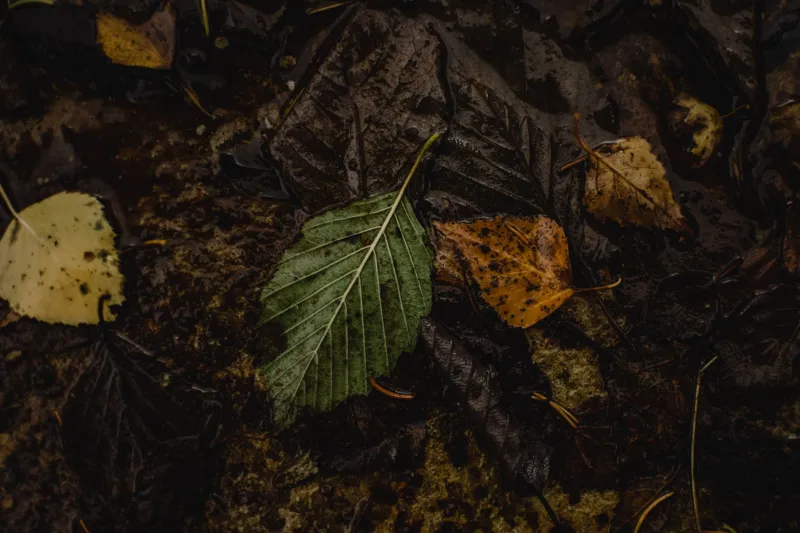
There is a particular kind of November damp that does not announce itself. It gathers under the bird bath, in the cup of a chair foot, beneath a saucer that has not been lifted since September. You will not see it from the kitchen window. You will see it when you crouch down, usually while doing something else, and realise the paving underneath is darker than it should be.
That is where this article begins. Not with a border-wide campaign, and not with a shopping list of potions. Just a small, repeatable circuit around the things in the garden that sit flat on the ground and quietly collect moisture. At No Slug, we are not fans of the scorched-earth approach. We are fans of noticing the small stuff before it becomes the big stuff.
Start with the things you can lift with one hand
Pot saucers, small ornaments, the loose foot of a bench, a terracotta trough that has seen better days. The test is simple: if it sits flat on soil or paving, it is worth a look. Lift it, check the underside and the rim, then set it back down. You are not digging for treasure. You are looking for the damp gap between object and ground.
Slugs do not need much. A shallow depression, a bit of shade, a few fallen leaves and a steady supply of moisture will do. A pot saucer left under a patio pot is effectively a shallow cave with a roof. A garden ornament with a hollow base is a cave with a decorative hat. You get the idea.
When you do find slugs, gentle relocation is the order of the day. A gloved hand or a trowel and a short walk to the compost heap, a log pile or a wild corner is enough. Do not flick them into next door's garden. Do not reach for salt. Salt is a slow, ugly death and it does nothing good for the soil. The point is to move the shelter, not to declare a small war on the way past.
The bird-bath base is a slug hotel with a view
A bird bath is one of the best things you can put in a garden. It is also, if you are honest, a water feature sitting on a damp plinth. Water spills, algae gathers, and the gap underneath stays cool and shaded. If the base sits directly on soil or gravel, that gap becomes a ready-made shelter. If it sits on a paving slab, the slab itself stays damp around the edge.
If the bird bath is light enough to lift safely, do it. Clear the debris, scrub the base if it is slippery, and reset it on a couple of pot feet or a bed of gravel so air can move underneath. If it is too heavy to move, clear the leaves and soil from around the base and check the rim where water collects. A bird bath that sits directly on soil is effectively a damp cave with a water feature on top. A little airflow goes a long way.
Furniture feet and the hollow-leg problem
Patio chairs, table legs, bench feet, the plastic cups that stop a metal frame scratching the slabs. These are overlooked because they are small and because we tend to look at the seat, not the foot. But a hollow plastic foot can hold a surprising amount of damp leaf litter. A wooden leg that has started to soften at the base is even better, from a slug's point of view.
Lift the furniture if you can, or tip it gently onto its side. Tap the feet, clear out the debris, and check the underside of any glides or cups. If a foot is cracked or hollow, replace it or raise the whole piece on pot feet. Moving a chair a few inches away from a wall or a hedge also helps. The drier the gap, the less appealing it becomes.
Pot saucers: the accidental slug motel
Pot saucers are useful in summer. In winter, they are a standing invitation. They collect rainwater, fallen leaves and grit, and they keep the base of the pot in a permanent fug of damp. If you use saucers, tip them after rain and do not leave them under pots all winter. If you need a saucer for a thirsty plant, empty it weekly and check the rim.
The better long-term fix is pot feet. Raising the pot improves drainage and airflow, and it removes the flat, damp interface where slugs like to shelter. A pot on feet is also easier to lift and check, which means you are more likely to do it. That is the quiet genius of small placement changes: they make the good habits easier.
Small placement changes that pay off
You do not need to redesign the garden. You need to edit the damp. Raise the pots that sit on paving. Move ornaments away from walls and hedges. Leave a dry gap between mulch and the base of a planter. Sweep fallen leaves out of corners where furniture meets slabs. If a trough or planter has a hollow base, stand it on bricks or pot feet so it is not sitting in its own puddle.
These are not dramatic interventions. They are the gardening equivalent of leaving the window open. They change the microclimate just enough to make a shelter less sheltered. And they take minutes, not weekends.
A ten-minute circuit, once a week
The trick is to keep it small. Pick six or eight spots: the bird bath, two pot saucers, the bench feet, the ornament by the back door, the trough on the patio. Lift, check, clear, relocate if needed. Then stop. You are not trying to hunt every slug in the parish. You are trying to stop the small damp pockets from becoming nurseries.
If you find eggs, they will look like small pearl-like clusters in the damp gap. Scrape them into a bucket and move them to the compost heap or a wild corner. You do not need to destroy them. You just need to move them away from the places where you are trying to grow things.
The spring payoff
The point of a November circuit is not a slug-free garden. That is not a realistic goal, and it is not a kind one. Slugs are part of the garden's clean-up crew, and a garden without them is a garden without a lot of the birds and beetles that eat them. The point is to stop the overlooked damp pockets from turning into next spring's slug nursery.
So next time you are out with a cup of tea, lift the bird-bath base, tip the saucer, and check the chair foot. Ten minutes now is a calmer, kinder start to spring. And it is a lot easier than discovering the problem in April, when the hostas are already halfway to lace.