The Chewed Leaf Isn't Always a Crisis: A Kinder Case for Slug Tolerance
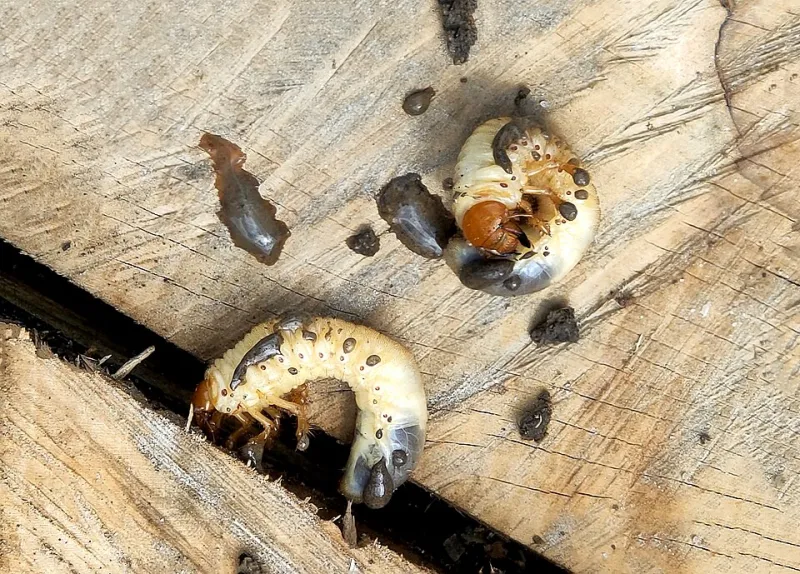
Photo: Сарапулов, CC BY 4.0, via Wikimedia Commons
At No Slug, the name is a promise of intention, not a declaration of war. We want borders that are not ruined by molluscs. We do not want a garden stripped of the wildlife that makes it alive. Somewhere between the perfect hosta and the overnight massacre is a more sensible place to garden, and it usually starts with asking a simple question: is this damage actually a problem?
The pellet reflex
In the autumn of 2026, it is still easy to spot the old reflex in UK gardens. A leaf is shredded, a seedling disappears, and out comes a broadcast treatment as if slugs were an emergency. That approach belongs to a different era of gardening: quick, blunt and often more about anxiety than ecology. Chemical-conscious gardeners have moved on, but the reflex lingers.
We are not arguing for neglect. We are arguing for thresholds. A garden is a living system, not a display cabinet. The odd nibbled leaf is part of the deal. The real question is whether the damage is threatening the plant, the harvest or the whole border.
What counts as damage?
A useful starting point is the ten-plant check. Look at ten plants of the same type in the same bed. If a few leaves are lightly grazed on established perennials, that is usually cosmetic. If most of the seedlings have been cut off at soil level, that is a genuine problem. If a prized plant is being ring-barked or reduced week by week, act. If a mature shrub has a few holes and is still growing strongly, tolerate it.
Plant type matters as much as the amount of damage. Established hardy perennials can shrug off far more than seedlings, lettuce or young delphiniums. Timing matters too. A little damage in mild November may be unimportant if the plant is going dormant. The same damage in April, when soft growth is emerging, can set a plant back. Judge the plant, not just the hole.
The wildlife ledger
Slugs are not only pests. They are food. Thrushes, blackbirds, frogs, toads, slow worms, ground beetles and hedgehogs all take them. A garden that is hostile to slugs is also, often, hostile to the creatures that keep slugs in check. That is the hidden cost of the broadcast approach.
A kinder border makes room for predators. A small pond, a log pile, some untidy leaf litter and a few dense shrubs give amphibians and invertebrates somewhere to live. Avoid unnecessary pesticide use. Leave a patch of longer grass. These are not sentimental gestures. They are pest management by habitat, and they work slowly and steadily rather than overnight.
Healthy soil, healthy plants
Strong plants tolerate more. That is the quiet argument for good soil care. Add organic matter, avoid compacting wet beds, and water in the morning rather than late evening where you can. Remove sodden debris that shelters slugs, but do not strip the bed bare. Keep mulch away from stems and break up any damp mats.
A plant with healthy roots and steady growth can outgrow minor grazing. A stressed plant in waterlogged soil cannot. Sometimes the best slug strategy is not a barrier or a pellet but a fork, a bit of compost and better drainage.
Where targeted deterrents earn a place
There are times when a gardener needs to protect vulnerable plants. New seedlings, young brassicas and precious containers may need help. That is where targeted deterrents earn their place, not as a blanket policy.
Physical barriers, cloches, copper tape in pots and night patrols can all be useful in small areas. Biological controls such as nematodes can be effective when soil temperatures are suitable and the product is used correctly. If you choose pellets, use ferric phosphate rather than older metaldehyde products, and use them as spot treatments under cover or around specific plants, following the label. Do not scatter them across the whole border and call it gardening.
A kinder border is not a free-for-all
Tolerance has limits. We are not suggesting that gardeners should let slugs strip every seedling or ruin a crop. The no-slug approach is about reducing the problem to a level that the garden can live with. Protect what needs protecting. Accept cosmetic damage on tough plants. Encourage predators. Improve the soil. Use targeted deterrents only where the alternative is losing a plant you actually need.
That is a more honest kind of garden care. It asks us to look before we act, to know the difference between a chewed leaf and a crisis, and to remember that a border with a little life in it is not a failure. It is a garden.