Behind the Wheelie Bins: A Low-Drama November Slug Sweep for Side Returns
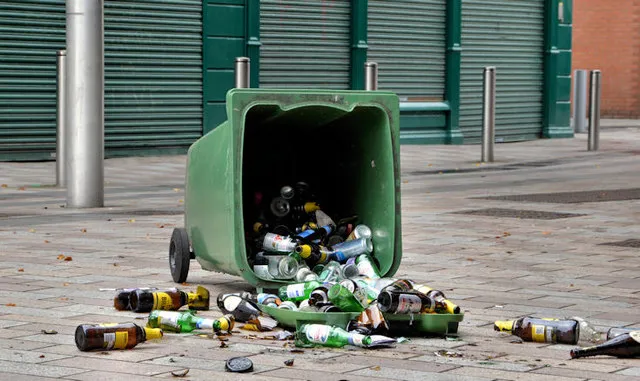
Photo: Albert Bridge , CC BY-SA 2.0, via Wikimedia Commons
There is a strip of ground in most UK gardens that never quite counts as garden. It is the side return, the bin-store border, the narrow alley where the wheelie bins live and the recycling boxes multiply. We walk through it once a week, usually in the rain, usually in a hurry. Slugs, on the other hand, have all the time in the world.
In wet November weather, that little corridor offers exactly what a slug wants: dark, damp, undisturbed cover, with a reliable supply of rotting leaves and the occasional spilled bit of bin-day debris. The aim here is not to declare war on the bin store. It is to make it a less inviting winter hotel, without turning the weekly bin run into a torch-lit patrol.
Start with the lid, not the slug
A wheelie bin lid is a surprisingly good slug shelter. Rain sits in the recessed handle, leaves collect along the rim, and the gap between lid and bin gives a damp little ledge out of the wind. Before you worry about the gravel or the flower border, give the lids a quick look.
Sweep off wet leaves, check the rim and glance underneath the lid if it lifts away easily. You do not need to scrub the bin to within an inch of its life. The point is to break up the damp layer and remove the bits that hold moisture against the plastic. Make sure the lid closes properly, too. A bin that sits slightly open is a small, dark cave with a reliable drip feed of organic matter.
Recycling boxes deserve the same treatment. Stacked boxes trap damp between the bases, and a box left out in the rain can hold a shallow puddle for days. Tip out any standing water, shake off the leaves and let the boxes dry when there is a decent spell between showers. If your council allows it, storing them upside down or with a gap between them helps air move through. A dry box base is a boring box base, and boring is what we are after.
The side return is a corridor, not a cupboard
Narrow alleys between house and fence are classic slug routes. They stay shaded, they catch drips from gutters, and they are usually the last place anyone thinks to sweep. In November, the wall-to-ground junction can be lined with wet leaf litter, which is both a hiding place and a food source.
Sweep the leaves away from the house edge and out of the corners. You do not have to bin them if you have a leaf-mould spot well away from the house; otherwise, council green waste is a sensible route. The important thing is to stop a permanent damp mattress forming against the wall.
Look at what else is stored in the side return. Trays, pots, bricks, folded tarpaulins and that stack of paving slabs you meant to move in September all create flat, damp roofs. Slugs do not need a grand hotel. A single upturned tray is enough. Where you can, lift stored items off the ground onto a rack or pair of bearers, and keep them spaced out rather than pressed against the wall. You will not evict every slug, but you will remove a lot of easy cover.
Boxes, bases and the damp layer underneath
It is easy to audit the bin itself and forget the ground beneath it. Lift the recycling boxes and bins if they are light enough, and look at the paving or gravel underneath. You may find damp cardboard, a fringe of moss, or a little community of slugs taking refuge in the gap.
A brush and a bucket are your best tools here. Avoid reaching for salt. It damages paving, it is unkind to plants and soil life, and it makes a mess of the very area you are trying to keep manageable. If you find slugs, you can move them to a wilder corner of the garden if you are so inclined, or simply leave them for the birds. The goal is to reduce shelter, not to stage a dramatic execution by the bins.
Pay attention to the base of the recycling boxes as well. Nested boxes with wet bottoms create a chain of damp chambers. Separating them, drying them out and storing them with a little airflow makes a real difference over a wet fortnight.
Wall edges, drips and the quiet damp strip
Water is the real estate agent in this story. A downpipe that drips onto the side return, a gutter that overflows, or a paving joint that holds water will keep one strip of ground permanently damp. Fix the obvious drips where you can, clear leaves from gully covers, and note the places that stay wet long after the rain has stopped.
A narrow gravel margin along a wall will not banish slugs, and it is not a magic barrier. But gravel does dry faster than wet soil or a thick mulch, and that alone can make an edge less appealing. Keep mulch and leaf litter pulled back a little from the house wall and fence foot rather than heaped right up against them.
What to move, what to leave
Bags of compost, open sacks of grit and part-used grow bags should not live against a damp wall for the winter if you can avoid it. Raise them on a pallet, put them in a lidded store, or move them somewhere drier. A split bag of compost in a wet side return is a slug buffet with a roof.
That said, a bin-store border does not need to be sterile. A completely bare, scrubbed alley is not the only alternative to a slug haven. Leaving a small, wilder corner further from the house, with a log pile or a patch of longer grass, can give wildlife somewhere to go without offering slugs a direct route to the back door.
A five-minute rhythm after bin day
The simplest routine is the one you will actually keep. After the bins have been out and back, spend five minutes sweeping the side return, lifting the recycling boxes and checking the bin lids. In a wet November, that small habit is worth more than a cupboard full of remedies.
The bin-store border will never be the prettiest part of the garden. But with drier lids, cleaner edges and fewer damp hiding places, it can stop being the part that quietly supplies the rest of the garden with slugs. The aim is not a slug-free side return. It is a side return that no longer advertises itself as a winter hotel.